
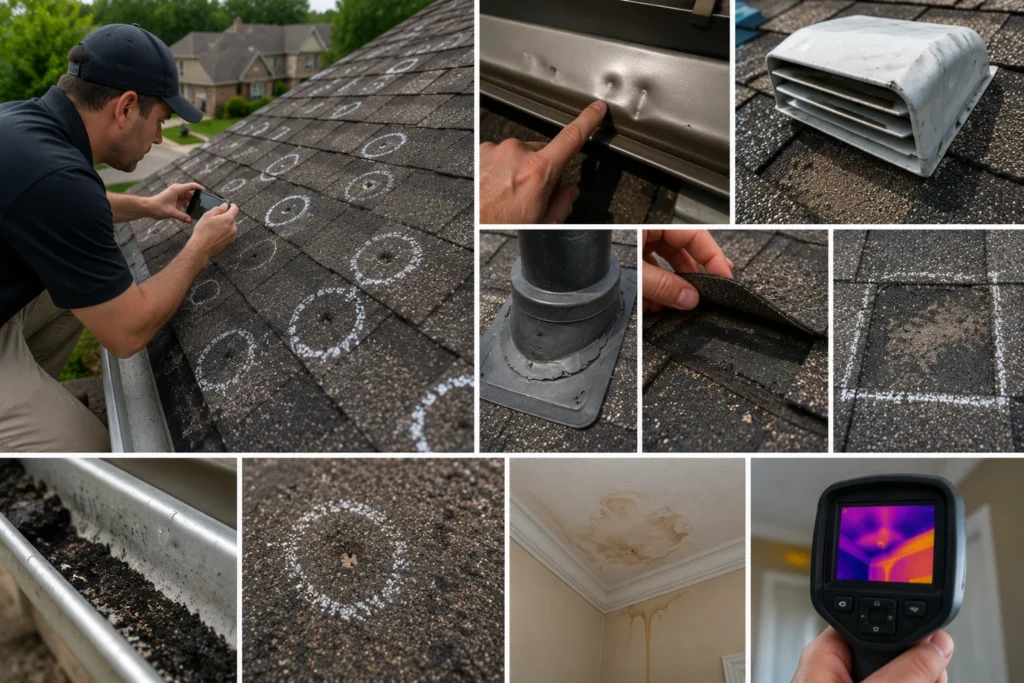
A denied insurance claim can feel like a punch to the gut. Especially after a major hailstorm tears through your neighborhood, damages your roof, dents your gutters, and leaves water stains creeping across your ceiling. You pay premiums for years. You expect protection when severe weather hits. Then suddenly, you receive a denial letter explaining why the insurance company will not pay. Frustrating? Absolutely. But here is the reality many homeowners in Central Texas do not realize immediately: a denied claim is not always the final answer.
In fact, learning What to Do If Your Hail Claim Was Denied in Round Rock, TX can dramatically change the outcome of your case. Many denied claims are later reopened, supplemented, adjusted, or resolved after stronger evidence and proper documentation are presented. That happens more often than people think. Round Rock experiences aggressive hailstorms regularly. Roofing systems take serious impacts. And disputes between homeowners and insurance companies happen every year throughout Texas. The key is understanding your next move. Not panicking. Not giving up. And definitely not assuming the denial automatically means there is no legitimate damage. Let’s break down exactly what homeowners should do after a denied hail claim in Round Rock, TX.
Why Hail Claims Get Denied in Texas
Insurance companies deny hail claims for many reasons. Some are legitimate. Some are questionable. Some come down to missing documentation, rushed inspections, or disagreements over the extent of damage. Understanding the reason behind the denial matters because every dispute requires a different strategy.
Common Reasons Insurance Companies Reject Claims
Here are some of the most common denial explanations homeowners receive after hailstorms:
| Reason for Denial | What It Usually Means |
| Wear and tear | Insurer believes roof deterioration happened naturally |
| Pre-existing damage | Carrier argues damage existed before the storm |
| Cosmetic damage only | Insurer claims functionality was not affected |
| Late reporting | Claim was filed too long after the storm |
| Insufficient evidence | Lack of photos or documentation |
| Maintenance issues | Roofing problems blamed on poor upkeep |
| Policy exclusions | Certain damages may not be covered |
These explanations are common. But they are not always accurate. For example, some hail impacts may initially appear cosmetic while still shortening roof lifespan significantly. Certain roofing materials also hide functional damage extremely well. That creates disputes. Especially in Texas.
Why Round Rock Homeowners Face Unique Hail Risks
Round Rock sits directly inside one of the most active hail regions in the country. Large storms move through Central Texas regularly. Intense heat weakens roofing systems over time. Then hailstorms arrive and accelerate the deterioration dramatically.
That combination creates serious insurance disagreements. Older roofs become particularly vulnerable because insurers often attempt to separate “storm damage” from “aging.” Unfortunately, those distinctions are not always simple. A roof can absolutely experience both. And that becomes one of the biggest arguments during denied claims.
Carefully Review the Denial Letter First
Do not throw the denial letter aside in frustration. Read every word carefully. Then read it again. The denial letter often contains critical information that shapes the entire dispute process moving forward.
What the Insurance Company Is Actually Saying
Insurance companies typically explain denials using highly specific language.
Pay attention to phrases like:
- “No functional damage observed”
- “Damage consistent with wear and tear”
- “Damage unrelated to recent storm event”
- “Mechanical deterioration”
- “Cosmetic impacts only”
- “Excluded under policy provisions”
These statements matter because they reveal the insurer’s position. And once you understand the position, you can begin building evidence to challenge it.
Important Deadlines Hidden in Your Policy
Many homeowners miss crucial deadlines after receiving denials. That becomes expensive.
Your insurance policy may contain deadlines related to:
- Filing appeals
- Requesting reinspections
- Submitting supplements
- Invoking appraisal
- Providing additional evidence
Waiting too long weakens claims significantly. Roof conditions change quickly after storms. Evidence deteriorates. Repairs happen. Weather exposure increases. Time matters. Especially in hail disputes.
Get a Second Roof Inspection Immediately
This step is huge. And honestly, it is where many homeowners completely change the direction of their claim. Never rely on a single inspection when major financial losses are involved.
Why Independent Inspections Matter
Insurance adjusters work for insurance companies. That does not automatically mean they are dishonest. But it does mean their role differs from yours. Independent roofing professionals, engineers, and public adjusters often identify damages missed during the original inspection. That happens constantly. Some inspections last only a few minutes. Others involve limited documentation. Some adjusters lack specialized roofing expertise. A second opinion creates perspective. And perspective creates leverage.
What a Proper Hail Inspection Should Include
A detailed hail inspection should involve far more than simply glancing at shingles from the ground.
Strong inspections often include:
- Close-up impact photography
- Soft metals inspection
- Flashing analysis
- Vent inspections
- Test squares
- Granule loss documentation
- Collateral damage review
- Interior moisture checks
- Gutter and downspout evaluation
Good inspections are methodical. They create evidence. And evidence changes negotiations.
Hidden Roof Damage Insurance Companies Often Miss
Some hail damage is subtle.
Very subtle. Commonly overlooked issues include:
| Hidden Damage Type | Why It Matters |
| Lifted shingles | Can increase future wind vulnerability |
| Granule displacement | Accelerates roof aging |
| Flashing damage | Leads to leaks over time |
| Underlayment damage | Hidden moisture risks |
| Vent damage | Creates long-term deterioration |
| Moisture intrusion | Causes structural problems later |
These problems may not leak immediately. That is important to understand. A roof can sustain legitimate hail damage without obvious water intrusion initially. Large hail impacts sometimes create subtle surface fractures and pressure-related material stress patterns similar to concepts studied in fractography, particularly when roofing materials experience repeated high-velocity storm impacts over time.
Gather Stronger Evidence for Your Dispute
Emotion does not win insurance disputes. Documentation does. This is where homeowners either strengthen their position dramatically or weaken it unintentionally.
Documentation That Strengthens Appeals
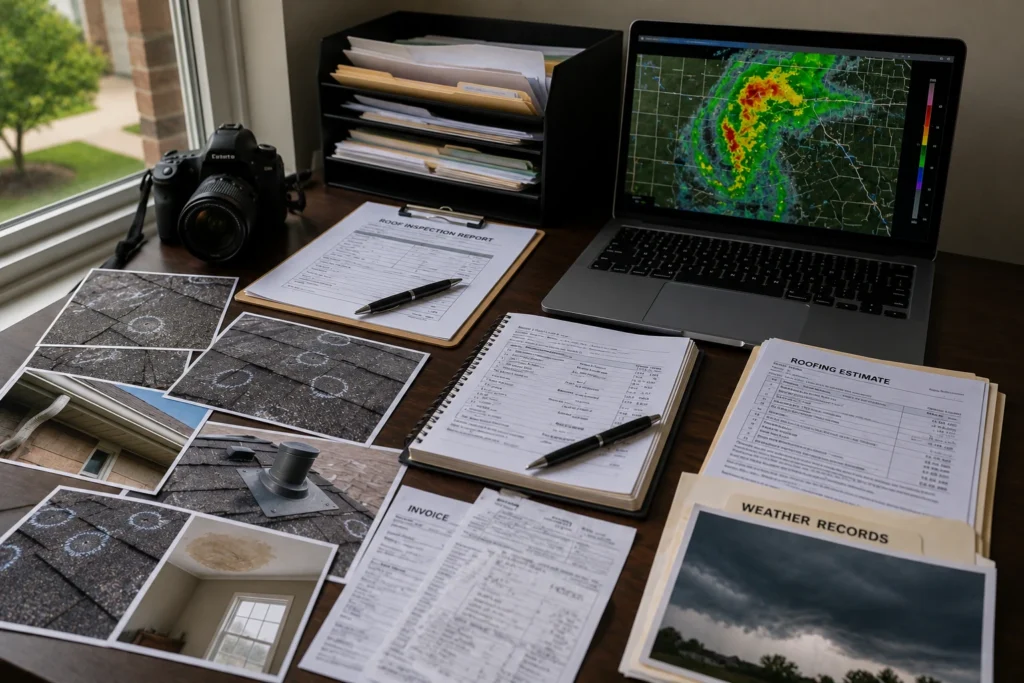
The strongest denied hail claims usually include organized evidence packages.
That means:
- Date-stamped photographs
- Inspection reports
- Roofing estimates
- Weather records
- Radar data
- Maintenance records
- Contractor notes
- Communication logs
- Repair invoices
- Prior inspection documents
One of the most important parts of learning How to Document Hail Damage for an Insurance Claim is creating organized evidence before temporary repairs or cleanup begin. Homeowners should take wide-angle photos of the entire roof, close-up images of impacted shingles, gutters, vents, flashing, and any interior water intrusion. Date-stamped documentation combined with contractor reports and weather records can significantly strengthen disputed hail claims. The more organized your file becomes, the harder it becomes to dismiss your concerns casually. That matters during negotiations.
How Weather Reports Help Prove Storm Damage
Weather documentation becomes incredibly valuable in disputed claims. Especially in Texas hail cases.
Useful evidence may include:
- NOAA hail reports
- Local radar tracking
- Storm verification data
- Hail size reports
- Neighborhood damage reports
- Date-specific weather records
When severe hail is verified directly near your property, it strengthens the argument that observed roof impacts likely resulted from the documented storm. That connection matters. A lot.
Understand the Difference Between Denial and Underpayment
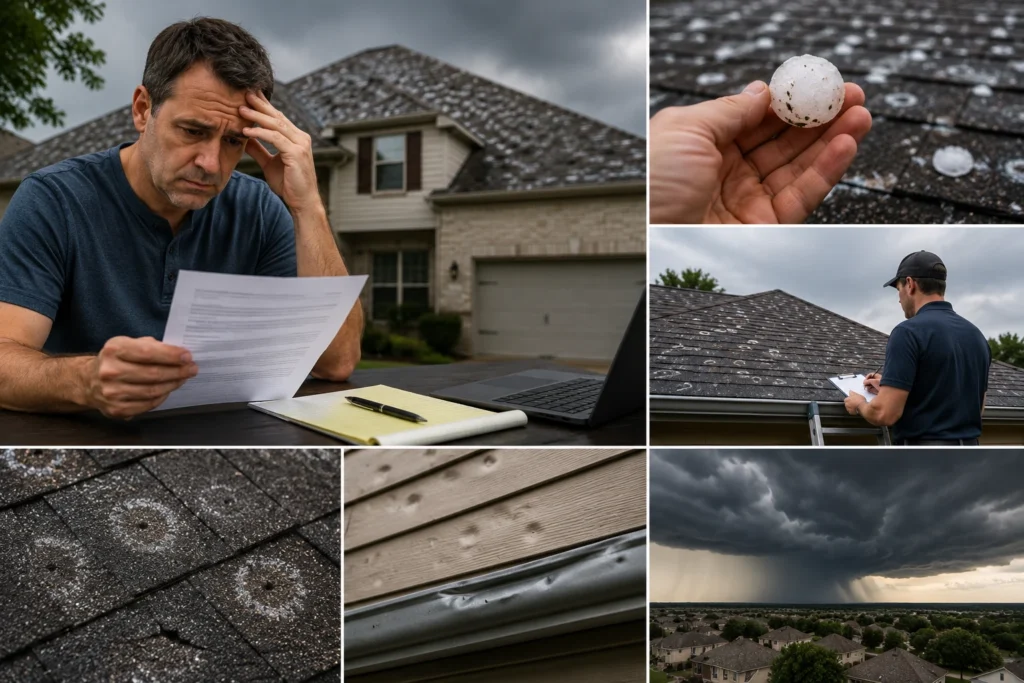
Some homeowners think their claim was denied when it was actually underpaid. There is a difference. A very important one.
Some Claims Are Partially Denied
Insurance companies sometimes approve portions of damage while excluding other components.
For example:
- Approving gutter dents but denying roof replacement
- Covering repairs but not full replacement
- Omitting code-required upgrades
- Leaving out flashing or ventilation items
- Approving cosmetic repairs only
These situations often create supplement opportunities.
Why Supplements Become Important
Supplements are requests for additional claim funds based on newly identified damages or overlooked costs. They are extremely common in hail claims.
Supplement requests may involve:
| Supplement Issue | Why It Gets Missed |
| Code upgrades | Local code requirements overlooked |
| Hidden decking damage | Not visible initially |
| Additional labor | Original estimate too low |
| Material matching | Replacement materials unavailable |
| Ventilation requirements | Building standards change |
| Flashing replacement | Frequently underestimated |
Supplements are not exaggerations. They are corrections. And many denied or underpaid claims eventually improve because supplemental evidence becomes stronger over time.
Request a Reinspection
Sometimes the simplest next step is requesting another inspection. Especially if new evidence exists.
When a Reinspection Makes Sense
Reinspection requests may help when:
- The original inspection felt rushed
- Important damage was missed
- New contractor findings exist
- Additional weather evidence was discovered
- The adjuster lacked roofing expertise
- The scope appears incomplete
The key is remaining professional. Do not approach the process emotionally or aggressively. Stay organized instead.
Tips for Handling the Reinspection Properly
A strong reinspection process usually includes:
- Having your roofing contractor present
- Bringing organized documentation
- Providing clear photo evidence
- Keeping discussions factual
- Taking your own photos during inspection
- Documenting all conversations afterward
Professionalism matters. Insurance disputes become harder to resolve when conversations turn hostile. Focus on evidence instead. Always.
Consider the Texas Insurance Appraisal Process
Texas policies often include appraisal clauses. Many homeowners never notice them until disputes happen. Then suddenly, the appraisal process becomes extremely important.
What Is an Appraisal Clause?
An appraisal clause is a dispute-resolution process built into many insurance policies. It allows disagreements over the amount of loss to move into a structured valuation process.
Typically:
- The homeowner selects an appraiser
- The insurance company selects an appraiser
- A neutral umpire may become involved
- Damages are evaluated independently
This process often focuses on valuation disputes rather than coverage disputes. That distinction matters.
When Appraisal May Help a Denied Hail Claim
Appraisal may become useful during disputes involving:
- Scope disagreements
- Repair vs replacement debates
- Pricing disputes
- Underestimated damages
- Incomplete repair estimates
In some cases, appraisal dramatically changes settlement values. Especially when initial inspections missed legitimate storm-related damage.
Situations Where Appraisal May Not Apply
Appraisal does not solve every denial.
It may not help when disputes involve:
- Policy exclusions
- Coverage interpretation
- Fraud allegations
- Extremely late reporting
- Non-covered damage arguments
Still, it remains one of the most important tools available during Texas hail claim disputes.
How Public Adjusters Help With Denied Hail Claims
This is where many homeowners begin regaining control of the process. Public adjusters work for policyholders. Not insurance carriers. That difference changes everything.
What a Public Adjuster Actually Does
Public adjusters typically help by:
- Reviewing insurance policies
- Inspecting property damage
- Organizing claim evidence
- Preparing estimates
- Supporting supplements
- Managing documentation
- Negotiating disputes
Large hail claims generate enormous amounts of paperwork and technical detail. Organization matters. Expertise matters too.
Why Documentation Changes Claim Outcomes
Strong documentation often shifts negotiations significantly. Because insurance disputes are evidence-driven. Not emotion-driven.
Experienced claim professionals may help identify:
- Missing scope items
- Code upgrade requirements
- Hidden roof damage
- Moisture-related concerns
- Improper depreciation
- Incomplete repair calculations
That creates leverage. And leverage changes conversations.
Why Local Experience Matters in Round Rock, TX
Local knowledge plays a larger role than most homeowners realize. Contractor pricing varies regionally. Storm patterns vary too. Building codes evolve constantly across Texas municipalities.
A local professional familiar with Round Rock may better understand:
- Regional hail trends
- Local roofing costs
- Central Texas repair challenges
- Municipal code enforcement
- Typical carrier dispute patterns
That familiarity often improves claim preparation accuracy.
Mistakes Homeowners Should Avoid After a Denial
Some mistakes weaken denied claims dramatically. Avoiding them matters.
Waiting Too Long
Delays create problems quickly. Evidence deteriorates. Storm damage becomes harder to distinguish. Roofing systems age further. Documentation opportunities disappear. Prompt action protects claims.
Accepting the First “No”
Many homeowners assume denial letters are final. They are not always final. Claims can sometimes be reopened, supplemented, reinspected, or disputed successfully when stronger evidence emerges. That happens regularly.
Throwing Away Damaged Materials
Keep damaged materials whenever possible. Especially if repairs begin. Shingles, flashing, vents, and other impacted components may become valuable evidence later.
Relying Only on Verbal Conversations
Always document communications. Always.
Keep:
- Emails
- Letters
- Inspection notes
- Phone call summaries
- Estimate revisions
- Contractor communications
Written records reduce confusion later. And disputes often depend on documentation trails.
When Legal Help May Become Necessary
Not every denied claim becomes a lawsuit. Far from it. But some disputes escalate.
Signs the Dispute Is Escalating
Potential warning signs include:
- Repeated inspection delays
- Lack of communication
- Unreasonable denials
- Failure to review evidence
- Constant estimate revisions
- Significant payment disputes
At some point, additional legal guidance may become appropriate.
Public Adjuster vs Attorney
These roles differ. A public adjuster focuses primarily on documenting, valuing, and negotiating insurance claims. An attorney handles legal disputes involving policy interpretation, bad faith concerns, litigation, or contractual issues. Sometimes both professionals become involved. It depends on the complexity of the dispute.
Steps to Take Immediately After a Denial
If your hail claim was denied, stay calm. Then move quickly.
Here is a practical action plan homeowners can follow:
| Step | Action |
| Step 1 | Review the denial letter carefully |
| Step 2 | Schedule an independent roof inspection |
| Step 3 | Gather weather documentation |
| Step 4 | Organize photos and records |
| Step 5 | Request a reinspection if appropriate |
| Step 6 | Review your appraisal clause |
| Step 7 | Consult a public adjuster if needed |
Simple. Structured. Organized. That approach often creates better outcomes than emotional reactions or rushed decisions.
Why Denied Hail Claims Deserve Serious Attention
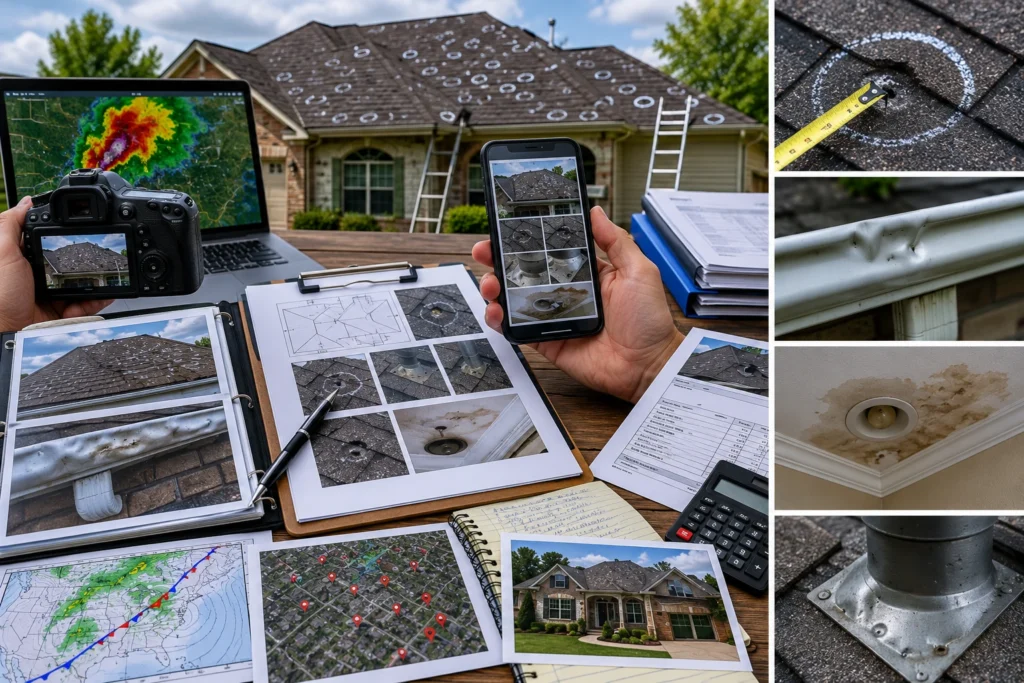
Roof damage rarely becomes cheaper over time. That is important. Minor hail damage today can evolve into major moisture problems later. Leaks spread. Wood deteriorates. Mold develops. Ventilation systems weaken. Insurance disputes become more complicated as conditions worsen. That is why delayed action becomes risky financially. Especially in Texas weather conditions where heat, rain, and storms accelerate roof deterioration quickly.
The Emotional Side of Claim Denials
Homeowners rarely talk about this part. But it matters. Denied claims create stress. Real stress. People feel frustrated, ignored, overwhelmed, and financially trapped after major storms. Especially when repair estimates reach tens of thousands of dollars. The process becomes exhausting. Inspections. Emails. Adjusters. Contractors. Documentation. Delays. It wears people down. That emotional fatigue causes many homeowners to stop fighting legitimate disputes prematurely. Do not let frustration force bad decisions. Stay organized instead. Stay patient. And focus on evidence.
Final Thoughts
Learning What to Do If Your Hail Claim Was Denied in Round Rock, TX can make a massive difference financially. A denial does not automatically mean the roof is undamaged. It does not automatically mean the inspection was complete. And it certainly does not mean homeowners lack options moving forward. Strong evidence changes negotiations. Detailed inspections matter. Organized documentation matters even more. The homeowners who approach denied hail claims strategically often place themselves in far stronger positions throughout the dispute process.
Especially in hail-prone areas like Round Rock where severe weather creates legitimate roofing damage every year. Take action quickly. Document everything carefully. Get independent inspections. Review your policy thoroughly. And most importantly, do not assume the first denial is the final outcome. Because sometimes, the strongest claims begin after the initial “no.”
FAQs
Yes. Many denied hail claims are reopened after homeowners submit stronger inspections, documentation, or additional storm evidence.
Deadlines vary by policy, so review your insurance documents carefully and act quickly after receiving the denial letter.
An independent roof inspection and weather documentation may help separate storm-related damage from normal aging.
Absolutely. Second inspections often uncover missed hail impacts, flashing damage, or hidden roofing problems.
Yes. Hail can weaken shingles and roofing components long before visible leaks appear inside the home.
A reinspection usually includes another roof evaluation where additional evidence, photos, and contractor findings are reviewed.
Claims themselves may affect policy history, but disputing a denial does not automatically trigger premium increases.
Appraisal is a dispute-resolution process where independent appraisers evaluate disagreements over the amount of damage.
Common reasons include wear-and-tear arguments, insufficient documentation, delayed reporting, or disputes about functional damage.
A public adjuster may help organize evidence, review policy language, document damage, and negotiate disputed claim amounts.