
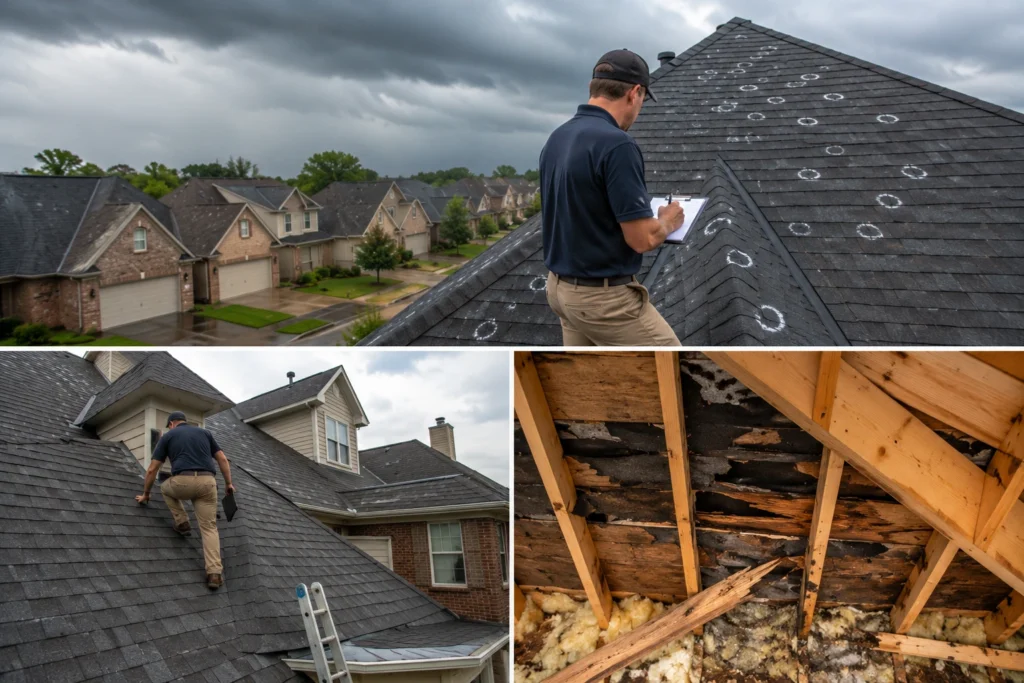
When homeowners review their insurance estimate after a hailstorm, many assume the document contains everything necessary to restore their property. Unfortunately, that is not always the case. Hail Damage Claim Supplements: What Carriers Miss in Their Scope is one of the most important topics property owners should understand because initial insurance estimates frequently overlook legitimate repair costs. Those missing items can translate into thousands of dollars in unrecovered claim value.
I have reviewed countless hail claims over the years, and one pattern appears repeatedly. The first estimate is often just the beginning. Additional damage, overlooked components, code-required upgrades, and hidden repair costs frequently emerge later. That is why supplements exist. A properly documented supplement is not about inflating a claim. It is about ensuring the scope accurately reflects what is required to restore the property. For property owners in Round Rock, where severe hailstorms can cause significant roofing damage, understanding the supplement process can make a major financial difference.
Understanding Hail Damage Claim Supplements
A supplement is an adjustment made to an insurance claim after new information becomes available. The original estimate may have been created from a brief inspection. Once contractors begin repairs or conduct a more detailed evaluation, additional damages often become apparent.
Common reasons supplements occur include:
- Hidden roof damage
- Building code requirements
- Material pricing changes
- Additional labor requirements
- Interior damage discovered later
- Missing roofing components
Supplements are common. In fact, many large hail claims undergo multiple revisions before the final repair scope is completed. The goal is accuracy. Nothing more. Nothing less.
Why Supplements Matter Financially
A few missing line items may not sound significant. But the costs add up quickly.
Consider this example:
| Missing Item | Estimated Cost |
| Starter shingles | $400 – $800 |
| Ice and water shield | $1,000 – $3,000 |
| Flashing replacement | $500 – $2,000 |
| Ridge cap replacement | $500 – $1,500 |
| Additional labor | $1,000 – $4,000 |
Suddenly, an estimate that appeared complete may be short by several thousand dollars. That financial gap often falls on the homeowner unless properly addressed through supplements. This is why Hail Damage Claim Supplements: What Carriers Miss in Their Scope deserves careful attention.
Why Carrier Scopes Often Miss Damage
Many people assume omissions occur because someone made a mistake. Sometimes that is true. Often, however, the issue is simply the nature of the claims process.
Limited Inspection Time
After major hailstorms, insurance companies receive thousands of claims. Adjusters may inspect multiple properties every day. Time becomes limited. As a result, some inspections focus on identifying obvious damage while less visible components receive less attention.
Roof Access Challenges
Not every roof is easy to inspect.
Factors that complicate inspections include:
- Steep slopes
- Multiple roof levels
- Limited access points
- Safety concerns
- Weather conditions
Certain areas may not receive the same level of evaluation as others.
Hidden Damage
Some damage simply cannot be observed during an initial inspection.
Examples include:
- Deteriorated underlayment
- Decking damage
- Moisture intrusion
- Fastener failures
- Ventilation deficiencies
These issues often emerge only after roofing materials are removed.
Incomplete Documentation
Documentation drives claim outcomes. If damage is not photographed, measured, or described properly, it may not appear in the initial scope. That creates opportunities for omissions.
The Role of Xactimate in Hail Damage Claims
Most insurance carriers use Xactimate. Most contractors use Xactimate. Most public adjusters use Xactimate. There is a reason for that. Xactimate is the industry’s leading estimating platform for property insurance claims. It provides standardized pricing and repair methodologies that help establish repair costs.
Why Xactimate Expertise Matters
The software itself is only a tool. The real value comes from understanding how to use it correctly.
Experienced estimators know how to identify:
- Missing line items
- Labor requirements
- Material calculations
- Code-related upgrades
- Waste factors
- Equipment costs
A roof replacement is rarely just shingles. There are dozens of supporting components that must also be considered. That is where Xactimate expertise becomes extremely valuable.
Common Roofing Items Carriers Miss in Their Scope
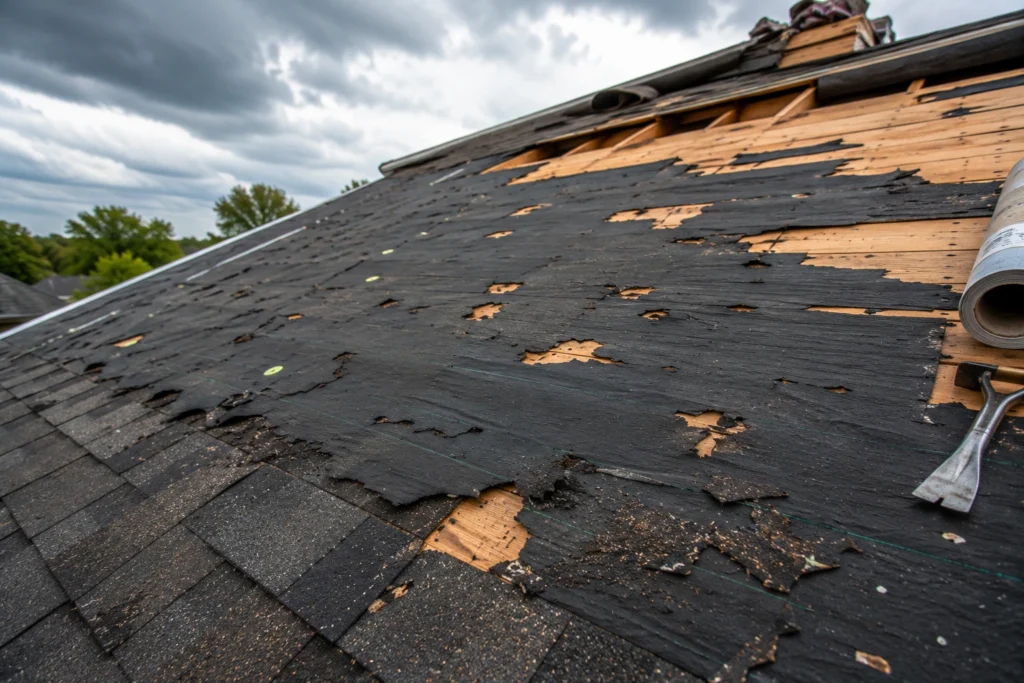
One of the biggest sources of supplements involves roofing components omitted from the original estimate.
Starter Shingles
Starter shingles create the first layer of protection along roof edges. When the roof is replaced, starters often require replacement as well. Yet they sometimes fail to appear in initial estimates.
Ridge Caps
Ridge caps protect the roof peak. Hail frequently damages these components. Replacement costs should be included when warranted.
Underlayment
Underlayment serves as a secondary moisture barrier. During tear-off operations, damaged or deteriorated underlayment may require replacement. This can become a significant supplement item.
Ice and Water Shield
Depending on location, roof design, and code requirements, ice and water shield may be required. Many initial estimates fail to include it.
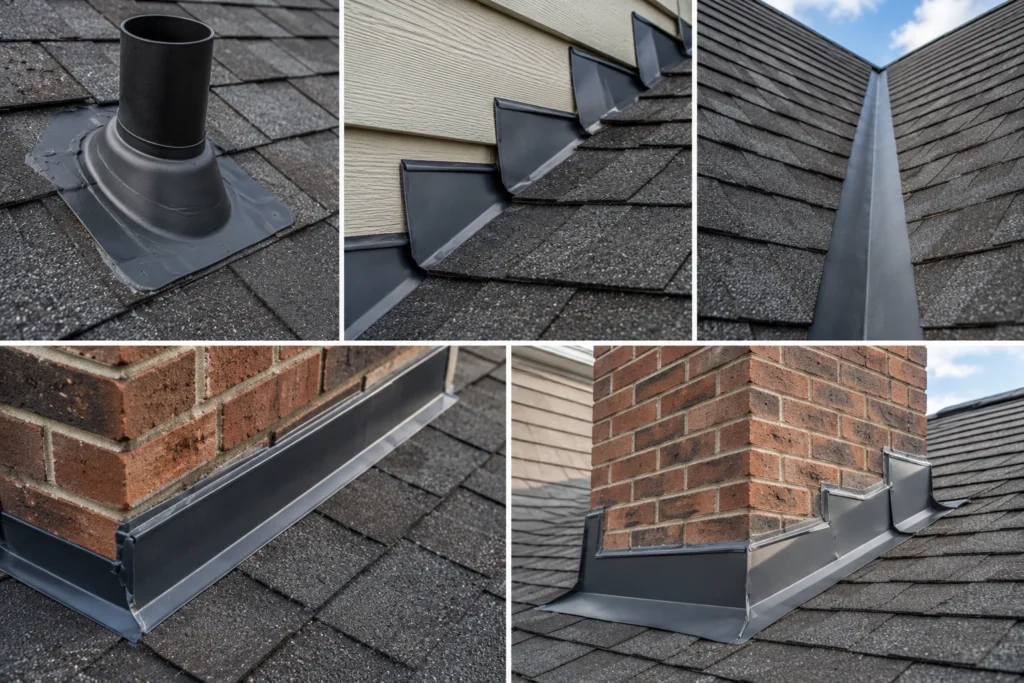
Flashing Components
Flashing is critical. And it is frequently overlooked.
Common flashing components include:
- Pipe jack flashing
- Step flashing
- Valley flashing
- Counter flashing
- Chimney flashing
Each component contributes to water protection. Each should be evaluated carefully.
Building Code Upgrades Frequently Missed
One of the most overlooked aspects of hail damage claims involves building code compliance. Roofing systems installed fifteen or twenty years ago may not meet current construction standards. When repairs are performed today, contractors are often required to comply with updated codes. That can create significant additional costs.
Why Code Compliance Matters
Local building requirements may affect:
- Underlayment installation
- Ventilation standards
- Fastener requirements
- Flashing specifications
- Roof deck attachment methods
These upgrades are not optional when required by local authorities. Unfortunately, they are not always included in the initial insurance estimate.
Ordinance and Law Coverage
Many property insurance policies contain Ordinance and Law coverage. This coverage may help pay for code-related upgrades that become necessary during repairs.
Examples include:
- Additional ventilation systems
- Enhanced fastening patterns
- Secondary moisture barriers
- Updated flashing installations
Failing to identify these requirements early can leave substantial money on the table.
Interior Damage Often Excluded From Initial Scopes
When most people think about hail damage, they think about shingles. That makes sense. The roof is usually the first line of defense against a storm. However, roof damage frequently leads to interior problems that may not become visible immediately.
Water Intrusion
Even small openings can allow moisture into a structure.
Over time, that moisture may affect:
- Ceilings
- Drywall
- Paint
- Insulation
- Trim materials
Water damage often develops slowly. The roofing damage may be obvious immediately after the storm. The interior damage may take weeks or months to fully reveal itself.
Paint And Texture Matching
A small repair can create a larger restoration issue. For example, repairing a damaged ceiling section may require repainting an entire room to achieve a consistent appearance. Texture matching may also become necessary. These costs should be evaluated carefully during the supplement process.
Hidden Moisture Problems
Moisture is often difficult to detect without specialized tools.
It may travel through:
- Attic spaces
- Wall cavities
- Insulation systems
- Structural framing
What appears minor on the surface can sometimes reveal more extensive damage during repairs.
Exterior Components Frequently Missed
A roof inspection should not stop at the roof. Many exterior components sustain hail damage as well.
Gutters And Downspouts
Metal gutters frequently show hail impacts.
Damage may include:
- Dents
- Deformation
- Joint separation
- Functional drainage issues
These components should be inspected closely.
Window Screens
Window screens are surprisingly useful during hail investigations. Because they are lightweight and exposed, they often provide clear evidence of storm impacts. Inspectors frequently use damaged screens as supporting evidence when documenting hail events.
Siding Damage
Siding claims are commonly overlooked.
Potential damage includes:
- Cracks
- Fractures
- Surface bruising
- Paint damage
- Material displacement
Matching concerns can further complicate repairs.
Exterior Paint Damage
Repeated hail impacts may chip or damage painted surfaces. While these damages sometimes appear cosmetic, they can contribute to future deterioration if ignored.
Commercial Property Supplement Challenges
Commercial hail claims introduce another level of complexity. The larger the property, the greater the opportunity for overlooked damage.
Large Roofing Systems
Commercial structures may contain:
- TPO roofing
- EPDM systems
- Modified bitumen roofs
- Metal roofing assemblies
- Built-up roofing systems
Each roofing type requires specialized evaluation. A single inspection may not reveal every issue.
Mechanical Equipment
Many commercial buildings contain rooftop equipment.
Potentially affected items include:
- HVAC units
- Exhaust systems
- Condensers
- Cooling towers
- Ventilation equipment
These systems often require separate inspections.
Business Interruption Considerations
Storm damage does not always stop with physical repairs. Operational disruptions can create additional losses.
Examples include:
- Delayed production
- Reduced occupancy
- Temporary closures
- Equipment downtime
A thorough claim review should consider all potential impacts.
How Proper Documentation Supports Supplements
Documentation wins claims. Not assumptions. Not opinions. Evidence. The stronger the documentation, the stronger the supplement package.
Detailed Photography
Every inspection should include extensive photographs.
Recommended images include:
- Wide-angle roof views
- Close-up damage photos
- Flashing details
- Ventilation components
- Interior damage areas
Photographs create a visual record that supports claim discussions.
Drone Documentation
Drone technology has transformed roof inspections.
Benefits include:
- Improved safety
- Better access
- More comprehensive documentation
- Higher-quality imagery
Drones can capture areas that are difficult or dangerous to reach manually.
Contractor Reports
Independent contractor assessments often identify items missing from carrier scopes.
Detailed reports may include:
- Repair recommendations
- Material requirements
- Code references
- Cost estimates
These reports frequently become key pieces of supplement documentation.
Weather Verification
Weather reports help establish:
- Hail size
- Storm timing
- Storm path
- Impact severity
Third-party weather data often strengthens claim support.
Accurate documentation often requires a systematic approach. In complex investigations, professionals sometimes refer to concepts similar to Bayesian inference, a method used to update conclusions as new evidence becomes available. While insurance claims are not academic exercises, the principle is similar: as additional photographs, contractor reports, measurements, and inspection findings emerge, the scope of damage may become clearer. This is one reason supplements play such an important role in ensuring claim accuracy.
Measurement Reports
Roof measurements matter.
Accurate measurements help validate:
- Material quantities
- Labor calculations
- Waste factors
- Equipment requirements
Errors in measurements can significantly affect claim values.
Negotiating Supplements Using Xactimate
Successful supplement negotiations rely on facts. Xactimate helps organize those facts. Every line item should have support. Every adjustment should have justification.
Line-Item Justification
Strong supplement packages often include:
- Detailed photographs
- Contractor documentation
- Code references
- Material specifications
- Measurement reports
The goal is transparency. When every requested item is supported, negotiations become far more productive.
Material Pricing Updates
Construction costs change constantly. Material prices may increase between the original estimate and the repair date. Updated pricing may justify additional adjustments.
Labor Cost Adjustments
Labor shortages and regional demand can affect repair costs.
Xactimate updates help account for changing market conditions.
Presenting Evidence Effectively
Organization matters.
The strongest supplement packages are:
- Clear
- Detailed
- Logical
- Well-documented
Insurance carriers are more likely to review information efficiently when evidence is presented professionally.
Mistakes Homeowners Make During the Supplement Process
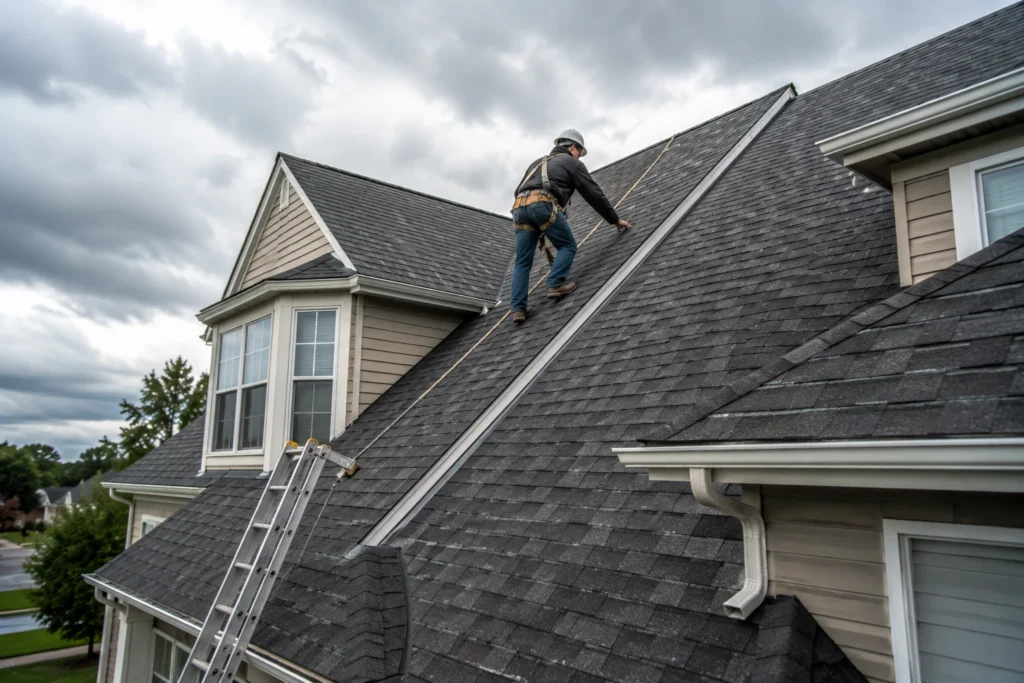
Even when legitimate damage exists, certain mistakes can weaken a claim. Many of these mistakes are avoidable.
Accepting The First Estimate Immediately
Some homeowners assume the first estimate is final. It usually is not. Initial scopes often change as additional information becomes available. Review every estimate carefully before accepting it.
Starting Repairs Too Early
Emergency repairs may be necessary. Full repairs should generally wait until documentation is complete. Once damaged materials are removed, important evidence may disappear.
Failing To Document Additional Damage
Additional damage frequently appears during tear-off operations. When it does, document everything immediately. Photographs, contractor reports, and measurements become critical.
Discarding Damaged Materials
Damaged materials may support supplement requests. If practical, preserve key evidence until inspections are complete.
Relying Only On Verbal Conversations
Always document communications.
Maintain records of:
- Emails
- Inspection reports
- Phone call summaries
- Contractor recommendations
- Estimate revisions
Good records help eliminate confusion later.
What to Do If Your Hail Claim Was Denied
A denial is frustrating. But it does not always mean the process is over. Many denied claims are revisited when additional evidence becomes available. New inspections may reveal damage that was previously overlooked. Contractors may identify repair requirements that were not included during the original evaluation. Additional weather data may further support the claim.
If your hail claim was denied, consider the following steps:
- Request a written explanation for the denial.
- Review the policy carefully.
- Obtain an independent inspection.
- Gather additional photographs.
- Compare contractor findings to the carrier’s scope.
- Document newly discovered damages.
- Preserve all claim-related communications.
Strong documentation changes discussions. Evidence drives outcomes. The homeowners who approach denied claims systematically are often in a stronger position to pursue reconsideration when legitimate damages exist.
How Public Adjusters Strengthen Hail Damage Claim Supplements
Public adjusters work exclusively for policyholders. Their objective is to ensure claims are evaluated thoroughly and fairly.
Independent Scope Development
A second set of eyes can be valuable.
Independent inspections frequently uncover:
- Missing line items
- Hidden damage
- Code-related upgrades
- Additional repair requirements
A comprehensive scope often produces a more complete picture of the loss.
Xactimate-Based Estimates
Because Xactimate is widely used throughout the insurance industry, it provides a common language during negotiations.
Well-prepared Xactimate estimates can:
- Identify omissions
- Support supplement requests
- Improve estimate accuracy
- Strengthen claim presentations
Policy Interpretation
Coverage details matter. Understanding policy provisions may reveal benefits that were not initially considered.
Areas commonly reviewed include:
- Ordinance and Law coverage
- Replacement cost provisions
- Additional coverages
- Supplemental claim rights
Carrier Negotiations
Negotiations become more productive when supported by evidence.
Strong support often includes:
- Photos
- Reports
- Measurements
- Weather data
- Xactimate estimates
The focus should remain on facts rather than emotion.
Follow-Up And Persistence
Many successful supplements require multiple discussions. The process is not always immediate. Thorough documentation combined with consistent follow-up often produces better outcomes.
Why Small Omissions Become Expensive Problems
The biggest claim issues are not always the obvious ones. In fact, small omissions frequently create the largest financial surprises. One missing flashing component may not seem significant. Neither does one missing ventilation item. Or one overlooked labor charge. But when dozens of small omissions accumulate, the financial impact grows quickly.
Consider what happens when multiple overlooked items combine:
| Overlooked Item | Potential Cost Impact |
| Flashing | Hundreds to thousands |
| Underlayment | Thousands |
| Ventilation upgrades | Hundreds to thousands |
| Additional labor | Thousands |
| Code requirements | Thousands |
| Interior repairs | Thousands |
Suddenly the difference between an incomplete scope and an accurate scope becomes substantial. That is precisely why Hail Damage Claim Supplements: What Carriers Miss in Their Scope remains such an important topic. Accurate scopes protect homeowners. Incomplete scopes create financial exposure. For property owners in Round Rock, understanding these issues can help prevent unnecessary out-of-pocket expenses while ensuring legitimate storm damages receive proper attention throughout the claim process.
Final Thoughts
Hail Damage Claim Supplements: What Carriers Miss in Their Scope is ultimately about one thing.Accuracy. Not exaggeration. Not conflict. Accuracy. Insurance estimates are created using the information available at the time of inspection. As repairs move forward, additional damages, code requirements, hidden conditions, and overlooked components often emerge. That is why supplements exist. A properly documented supplement package helps ensure the final repair scope reflects the true cost of restoring the property.
The process requires diligence. It requires documentation. It requires evidence. And in many cases, it requires Xactimate expertise capable of identifying what may have been missed during the original evaluation. Homeowners should review every estimate carefully.
Contractors should document thoroughly. Claim files should remain organized. And no one should assume the first estimate always tells the entire story. Especially in Round Rock, where severe hailstorms can create extensive roofing and property damage in a matter of minutes. The better the evidence, the stronger the supplement. The stronger the supplement, the more accurate the claim. And accuracy is exactly what every policyholder deserves in Round Rock.
FAQs
A hail damage claim supplement is an additional request for payment when new damage or overlooked repair costs are discovered after the initial estimate.
Initial inspections may be limited by time, roof access, hidden damage, or incomplete documentation, leading to omitted repair items.
Xactimate is the estimating software used by many insurance carriers and adjusters to calculate repair costs and develop claim estimates.
In many cases, supplements can still be submitted if additional covered damage is discovered during the repair process.
Starter shingles, ridge caps, flashing, drip edge, underlayment, and code-required upgrades are frequently overlooked.
Some policies include Ordinance and Law coverage that may help pay for code-required upgrades during repairs.
Detailed photographs, contractor reports, measurements, weather data, and Xactimate estimates can significantly strengthen a supplement package.
Document the damage immediately, notify the carrier, and submit supporting evidence before proceeding with further repairs.
Request the denial explanation, gather additional evidence, obtain an independent inspection, and review your policy for possible next steps.
A public adjuster may help identify missed damages, prepare documentation, and negotiate supplements on your behalf.