
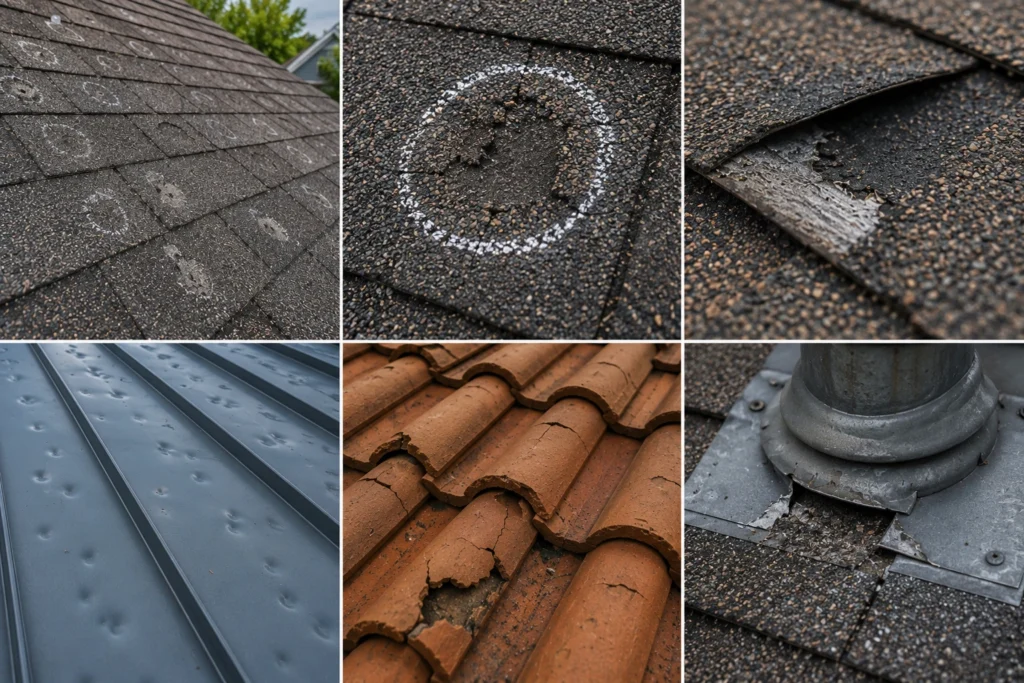
Texas storms do not play around. One afternoon can completely change the condition of your home. Golf ball-sized hail crashes into shingles. Metal roofing gets dented. Tile cracks spread quietly beneath the surface. Then the real stress begins filing a roof hail damage insurance claim Texas homeowners hope will actually cover the full scope of repairs. This is where many homeowners make expensive mistakes. Some wait too long. Others rely only on a quick inspection. Many assume the insurance company will automatically identify every damaged component during the first inspection. Unfortunately, that does not always happen.
A hail damage on roof insurance claim is rarely just about visible dents or missing shingles. Hidden damage matters. Documentation matters. Timing matters. And understanding the supplement process can dramatically affect the final settlement amount. In areas like Round Rock, where severe hailstorms can hit fast and hard, homeowners need more than basic roofing advice. They need a complete strategy. This guide walks through the entire process from inspection to supplements, including how to identify hail damage by roof type, what insurance carriers commonly overlook, and why professional representation often changes outcomes.
Why Hail Damage Is Frequently Missed After Texas Storms
Not all hail damage looks catastrophic at first glance. That is one of the biggest problems. Some roofs show obvious destruction immediately. Others appear mostly intact while serious hidden damage develops underneath. Water intrusion may not appear for weeks. Granule loss may seem minor but dramatically shorten roof lifespan.
Insurance companies know this. Roofing contractors know this too. The challenge is that homeowners often do not. Texas weather accelerates roofing deterioration quickly after a hailstorm. Intense heat, humidity, and additional storms can worsen compromised materials fast. What began as moderate hail impacts can evolve into leaks, structural deterioration, or insulation damage. The roof hail damage insurance claim Texas process becomes much harder when evidence fades. Timing matters more than people realize.
How to Identify Hail Damage by Roof Type
Different roofing systems react differently to hail impacts. This is where real roofing expertise becomes incredibly important because damage patterns vary significantly between asphalt shingles, metal roofing, and tile systems. A generic inspection is not enough.
Asphalt Shingle Roof Hail Damage
Asphalt shingles are the most common roofing material involved in hail roof damage insurance claims across Texas. They also create some of the most disputed claims.
Common signs of asphalt shingle hail damage include:
- Circular impact marks
- Granule loss
- Soft bruising spots
- Exposed fiberglass matting
- Cracked or torn shingles
- Edge fractures
- Loosened seal strips
Granule loss matters more than many homeowners realize. Those protective granules shield shingles from UV deterioration. Once removed, shingles age rapidly under Texas heat. Bruising is another major issue.
A shingle may appear mostly fine visually while the internal matting underneath has fractured. Over time, that weakens the roofing system significantly. Older roofs complicate matters further. Insurance carriers sometimes argue that visible deterioration came from aging rather than hail impacts. That becomes a major dispute during many hail damage on roof insurance claim investigations.
Metal Roof Hail Damage
Metal roofing systems create unique claim disputes because insurers often separate cosmetic damage from functional damage. That distinction can become expensive. Some policies contain cosmetic exclusions for metal roofs. Others do not.
Common signs of metal roof hail damage include:
| Damage Type | Potential Issue |
| Dents near seams | Water drainage disruption |
| Coating fractures | Future corrosion risk |
| Fastener impacts | Seal compromise |
| Panel deformation | Structural stress |
| Flashing damage | Leak potential |
The challenge with metal roofing is that dents alone may not fully represent the actual problem. Coating fractures can expose the material underneath to moisture and corrosion. Over time, that can shorten roof lifespan dramatically. A proper inspection goes beyond surface dents.
Tile Roof Hail Damage
Tile roofs require highly specialized inspections. Concrete and clay tiles respond differently to hail than shingles or metal systems. Some cracks remain difficult to spot from the ground. Others only become visible after tiles are carefully lifted and inspected individually.
Common tile roof hail damage includes:
- Hairline fractures
- Corner cracking
- Broken tile edges
- Underlayment punctures
- Dislodged tiles
- Impact fractures near fastening points
The underlayment beneath tile roofing is often where serious hidden damage develops. This is why incomplete inspections create problems. A roof may appear mostly intact visually while the protective waterproof barrier underneath has sustained major damage.
Secondary Areas Frequently Damaged by Hail
The roof itself is only part of the claim. Hailstorms commonly damage additional property components that insurers sometimes overlook during initial inspections.
These include:
- Gutters
- Downspouts
- Window screens
- HVAC fins
- Garage doors
- Siding
- Roof vents
- Flashing
- Skylights
- Soft metals
Soft metals are particularly important during inspections because they often reveal the clearest evidence of storm impact direction and severity.
Immediate Steps to Take After a Hailstorm
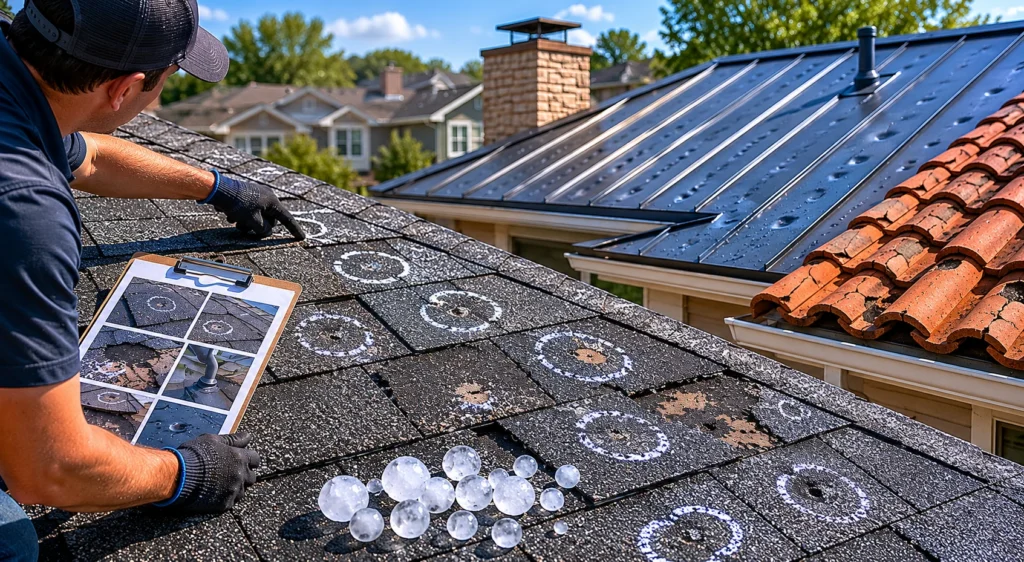
The hours and days following a hailstorm matter enormously. Smart decisions early can strengthen a roof hail damage insurance claim Texas homeowners later depend on during settlement negotiations.
Prioritize Safety First
Never rush onto a damaged roof immediately after a storm. Wet roofing surfaces become extremely dangerous. Electrical hazards may also exist if power lines or roof components were damaged during the storm.
Instead:
- Stay off steep roofing surfaces
- Watch for loose debris
- Avoid standing water near electrical areas
- Inspect from ground level initially
- Contact professionals for detailed inspections
No insurance claim is worth a serious injury.
Schedule a Roof Inspection Quickly
This is critical. Evidence deteriorates quickly under Texas weather conditions. Delays create opportunities for insurance carriers to argue that damage resulted from wear, aging, or unrelated events.
Fast inspections help preserve evidence. In Round Rock, where hailstorms can move aggressively through neighborhoods, roofing companies often become overwhelmed after major storm events. Scheduling inspections early helps homeowners avoid long delays.
Prevent Additional Damage
Insurance policies generally require homeowners to mitigate further losses after storm damage occurs. That means taking reasonable temporary measures to reduce worsening damage.
Examples include:
- Emergency tarping
- Covering exposed areas
- Water extraction
- Temporary leak prevention
- Debris removal
Keep every receipt. Temporary repair costs may become reimbursable under the claim.
Notify Your Insurance Company
Opening the claim promptly helps establish the timeline officially.
When reporting damage:
- Stick to factual observations
- Avoid guessing repair costs
- Document claim numbers
- Request written communication
- Keep detailed records of conversations
Written records matter enormously later during disputes.
How to Document Damage for Your Insurance Claim
Documentation wins claims. Emotion does not.
This is one of the most important realities homeowners need to understand during the hail damage on roof insurance claim process. Strong evidence creates leverage.
Weak documentation creates delays and disputes. Homeowners searching for practical guidance on How to Document Hail Damage for an Insurance Claim often underestimate how valuable organized photos, weather reports, and written inspection notes become during settlement negotiations.
Create a Complete Photo Record
Photos should be detailed and organized. Do not rely on a handful of quick smartphone pictures.
Capture:
- Wide-angle roof views
- Close-up impact marks
- Damaged gutters
- Interior water intrusion
- Ceiling stains
- Broken windows
- Damaged HVAC units
- Landscaping impacts
- Fence damage
Date-stamped images strengthen credibility significantly.
Build a Complete Claim File
Organization matters more than people expect.
Create a dedicated file containing:
| Documentation Type | Why It Matters |
| Weather reports | Confirms storm occurrence |
| Contractor inspections | Supports causation |
| Repair invoices | Documents expenses |
| Emails | Creates accountability |
| Claim letters | Tracks carrier responses |
| Photos | Preserves evidence |
| Roofing estimates | Supports valuation |
This organized approach becomes extremely valuable during supplement negotiations.
Common Documentation Mistakes
Some homeowners unintentionally weaken their own claims. Avoid these mistakes:
Waiting Too Long
Time damages evidence. The longer homeowners wait, the easier it becomes for insurers to argue alternative causes.
Throwing Away Damaged Materials
Damaged roofing materials may become important evidence later. Preserve them whenever possible.
Relying Only on Verbal Conversations
Always request written communication. Always. Verbal conversations become difficult to verify later during disputes.
Understanding the Texas Roof Insurance Claim Process
The roof hail damage insurance claim Texas process follows several major stages. Understanding them helps homeowners avoid surprises.
Initial Claim Filing
After reporting damage, the insurer typically:
- Assigns a claim number
- Schedules inspections
- Requests documentation
- Reviews policy coverage
This stage feels straightforward initially. But complications often emerge during inspections.
The Insurance Inspection
Insurance adjusters evaluate:
- Roof damage
- Exterior impacts
- Interior leaks
- Storm causation
- Repair feasibility
The challenge?
Some inspections are rushed. Others miss important components. Some adjusters may lack specialized roofing expertise for complex tile or metal systems. That creates major valuation gaps. In some large hail disputes, roofing evaluations may involve advanced material impact analysis techniques similar to principles studied in fractography, particularly when determining whether surface damage resulted from hail impacts or long-term material fatigue.
Reviewing the Scope of Loss
The scope of loss outlines what the insurance company agrees to pay for. This document deserves careful review. Many homeowners glance quickly at the total number and move on. That is risky. The details matter. Missing line items can significantly reduce settlement amounts.
What Insurance Carriers Commonly Miss in Their Scope
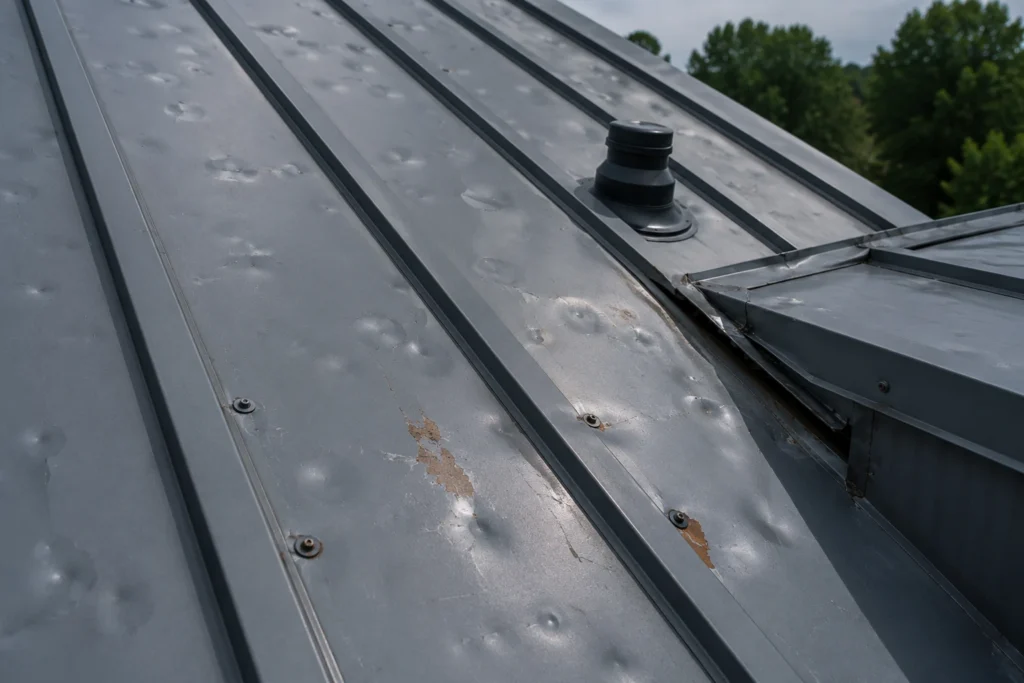
This section creates some of the largest disputes in hail roof damage insurance claims. Initial estimates are not always complete. Sometimes important items are overlooked entirely. This is why Hail Damage Claim Supplements: What Carriers Miss in Their Scope has become such an important topic among Texas homeowners dealing with incomplete repair estimates after severe storms.
Roofing Components Frequently Missed
| Category | Commonly Overlooked Items |
| Roofing Materials | Starter shingles, ridge cap |
| Flashing | Step flashing, counter flashing |
| Labor | Steep charges, high charges |
| Safety Equipment | Harness setup, fall protection |
| Disposal | Dumpster fees |
| Detach & Reset | Gutters, solar panels |
Individually, these omissions may seem small. Collectively, they can represent thousands of dollars.
Interior Damage Underestimation
Interior damage is frequently undervalued. Especially when leaks appear minor initially.
Commonly underestimated areas include:
- Insulation saturation
- Drywall damage
- Paint matching
- Texture matching
- Flooring moisture
- Hidden mold risks
Moisture migration spreads farther than many homeowners realize.
Code Upgrade Issues
Building code requirements matter enormously during roofing claims.
Local codes may require:
- Ice and water shield
- Updated ventilation
- Drip edge installation
- Fastener upgrades
- Full slope replacement
This becomes particularly important in Round Rock and surrounding Texas areas where local code enforcement may affect reconstruction requirements. Ordinance and Law coverage often plays a critical role here.
Matching Problems Create Major Disputes
Roof matching disputes continue growing across Texas. Manufacturers discontinue shingles constantly. Color variations become unavoidable. Partial repairs may leave homeowners with visibly mismatched roofing systems.
This creates disputes involving:
- Uniform appearance
- Repair feasibility
- Material availability
- Property value concerns
Matching arguments can significantly influence settlement negotiations.
The Supplement Process Explained
Supplements are one of the most misunderstood parts of insurance claims. Yet they are incredibly common.
What Is a Supplement?
A supplement is an additional request for payment after new damages or missing items are identified. Supplements are not unusual. They are often necessary. Especially in large hail claims.
Why Supplements Become Necessary
Hidden damage frequently appears after repairs begin. Additional code requirements may emerge. Original estimates may omit components entirely.
Common supplement reasons include:
- Hidden decking damage
- Additional flashing replacement
- Underlayment deterioration
- Ventilation upgrades
- Additional labor charges
- Moisture remediation
How Supplements Are Supported
Successful supplements require evidence. Not emotion.
Strong supplement packages typically include:
- Updated photos
- Revised estimates
- Contractor reports
- Code documentation
- Material invoices
- Manufacturer specifications
Detailed documentation changes negotiations dramatically.
Why Supplements Can Add Significant Value
This is where many homeowners recover substantial overlooked damages. Without supplements, policyholders sometimes pay out of pocket for legitimate covered repairs. That happens more often than people realize.
Why a Public Adjuster Can Change the Outcome
Representation matters. A lot. Insurance adjusters work for insurance carriers. Public adjusters work for policyholders. That difference shapes the entire claim process.
What a Public Adjuster Does
A public adjuster may assist with:
- Reviewing policy coverage
- Documenting damages
- Preparing detailed estimates
- Managing communications
- Supporting supplements
- Negotiating disputed items
Large claims generate enormous amounts of information.
Organization matters.
Public Adjuster vs Insurance Adjuster
| Public Adjuster | Insurance Adjuster |
| Represents homeowner | Represents carrier |
| Independent evaluation | Carrier-directed evaluation |
| Focuses on complete damages | Focuses on carrier scope |
| Supports supplements | Reviews submitted supplements |
Neither side guarantees outcomes automatically. But homeowners deserve to understand who represents their interests. Understanding the difference between a Public Adjuster vs. Insurance Adjuster for Hail Claims in Round Rock, TX becomes extremely important once settlement negotiations begin and disputes over scope or pricing appear.
Why Detailed Documentation Matters
Strong evidence strengthens negotiations.
This includes:
- Comprehensive inspections
- Organized records
- Accurate estimates
- Clear photo evidence
- Code research
- Expert evaluations
The strongest claims rely on facts. Not frustration.
Why Local Experience Matters
Texas claims involve regional complexities.
Local experience helps with:
- Contractor pricing knowledge
- Storm pattern familiarity
- Building code interpretation
- Roofing system trends
- Material availability
In Round Rock, local claim familiarity often improves communication between contractors, adjusters, and property owners during reconstruction.
Common Reasons Hail Claims Get Denied
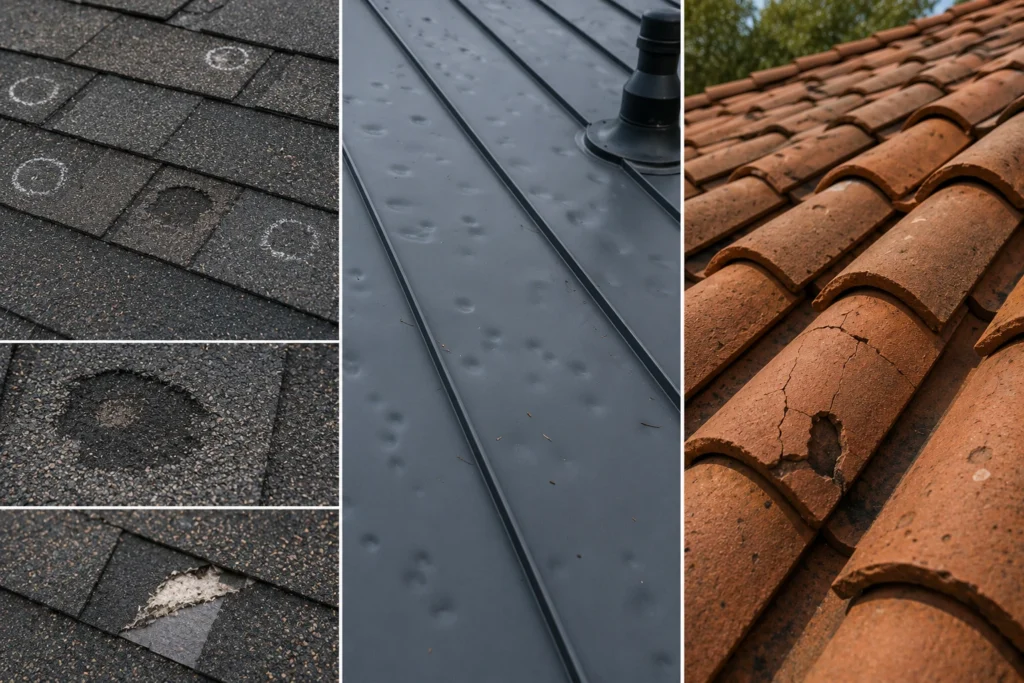
Some claim denials are legitimate. Others become highly disputed. Understanding common denial reasons helps homeowners prepare stronger claims.
Wear and Tear Arguments
Insurance carriers frequently argue that damage resulted from:
- Aging
- Deterioration
- Maintenance neglect
- Manufacturing defects
This becomes especially common with older roofs.
Late Reporting Problems
Delayed claims weaken evidence. Roof conditions change quickly after storms.
Insurers may argue:
- Damage worsened naturally
- Evidence deteriorated
- Repairs were delayed unnecessarily
Prompt inspections help avoid these disputes.
Insufficient Documentation
Weak documentation creates major problems. Missing photos. Incomplete reports. Limited inspection details. All of these weaken claim support.
Causation Disputes
Sometimes insurers argue damage came from something other than hail.
This may involve:
- Wind-only arguments
- Mechanical damage allegations
- Installation defect claims
- Long-term deterioration explanations
Engineering evaluations sometimes become necessary during larger disputes. If disagreements escalate, understanding What to Do If Your Hail Claim Was Denied in Round Rock, TX can help property owners respond strategically instead of accepting incomplete evaluations immediately.
Tips to Protect Your Roof Before the Next Hailstorm
Preparation matters. The strongest roof hail damage insurance claim Texas homeowners file often begins long before the storm occurs.
Schedule Routine Roof Inspections
Annual inspections help establish roof condition history. That becomes valuable during future disputes.
Maintain Roofing Components
Keep roofing systems maintained properly:
- Clean gutters
- Replace damaged flashing
- Address small leaks early
- Trim overhanging branches
- Monitor attic ventilation
Minor maintenance can prevent major problems later.
Keep Roofing Records Organized
Save:
- Installation invoices
- Warranty paperwork
- Repair receipts
- Inspection reports
- Maintenance records
Historical records strengthen future claims significantly.
Consider Impact-Resistant Roofing Materials
Modern roofing products offer improved hail resistance.
Popular options include:
- Class 4 shingles
- Impact-rated metal systems
- Advanced synthetic roofing materials
While no roof is indestructible, upgraded materials may reduce future storm damage.
Final Thoughts
Hail claims are rarely simple. The process involves inspections, documentation, estimates, supplements, policy interpretation, and negotiation. Small mistakes early can create expensive consequences later. That is why preparation matters. Fast inspections matter. Detailed evidence matters. And understanding the full roof hail damage insurance claim Texas process helps homeowners make smarter decisions after severe storms.
A hail damage on roof insurance claim should never rely on guesswork or rushed evaluations. Thorough documentation, organized communication, and careful review of the insurance scope often create far stronger outcomes than homeowners initially expect. Storm damage is stressful enough already. The goal is not exaggeration. The goal is accuracy. Because accurate claims protect homes, finances, and long-term property value when Texas weather delivers its next major hailstorm.
FAQs
Most policies require prompt reporting, so homeowners should file a claim as soon as possible after discovering damage.
Yes. Some hail impacts weaken roofing materials slowly, allowing leaks and moisture intrusion to appear later.
It depends on the severity of damage, local code requirements, and whether repairs can reasonably restore the roof.
Document visible damage, prevent further water intrusion, and schedule a professional roof inspection quickly.
Some damage is subtle, hidden beneath roofing materials, or overlooked during rushed inspections.
Yes. Some dents may affect coatings, seams, or water drainage systems beyond simple appearance issues.
A supplement is a request for additional payment after hidden damage or missed repair items are discovered.
Yes. Preserved materials may help support disputes involving causation or overlooked storm impacts.
Sometimes. New evidence, additional inspections, or professional claim reviews may support reopening discussions.
A public adjuster may help document damages, review policy coverage, and negotiate disputed settlement issues.